
Post-16 Vocational Education
Practical Learning. Recognised Qualifications. Positive Futures.
The Orchard Equine & Land Based College provides specialist post-16 education for young people aged 16–25 with Special Educational Needs and Disabilities who benefit from a calm, structured and practical approach to learning.
As a City & Guilds Approved Centre, we combine recognised vocational qualifications with personal development, English and mathematics, digital skills, employability, work-related learning and preparation for adulthood.
Our Current Post-16 Pathways
City & Guilds Horse Care at Levels 1, 2 and 3
Planned from September 2027
Animal Care at Levels 1, 2 and 3, including dog grooming
Land-Based Studies and Horticulture
Business and Administration
New programmes are subject to final approval, demand and availability.
Learners develop practical competence, confidence, independence and professional behaviours through meaningful real world experience , preparing them for further education, training, volunteering, employment and adult life.
Growing Confidence. Growing Skills. Growing Futures.
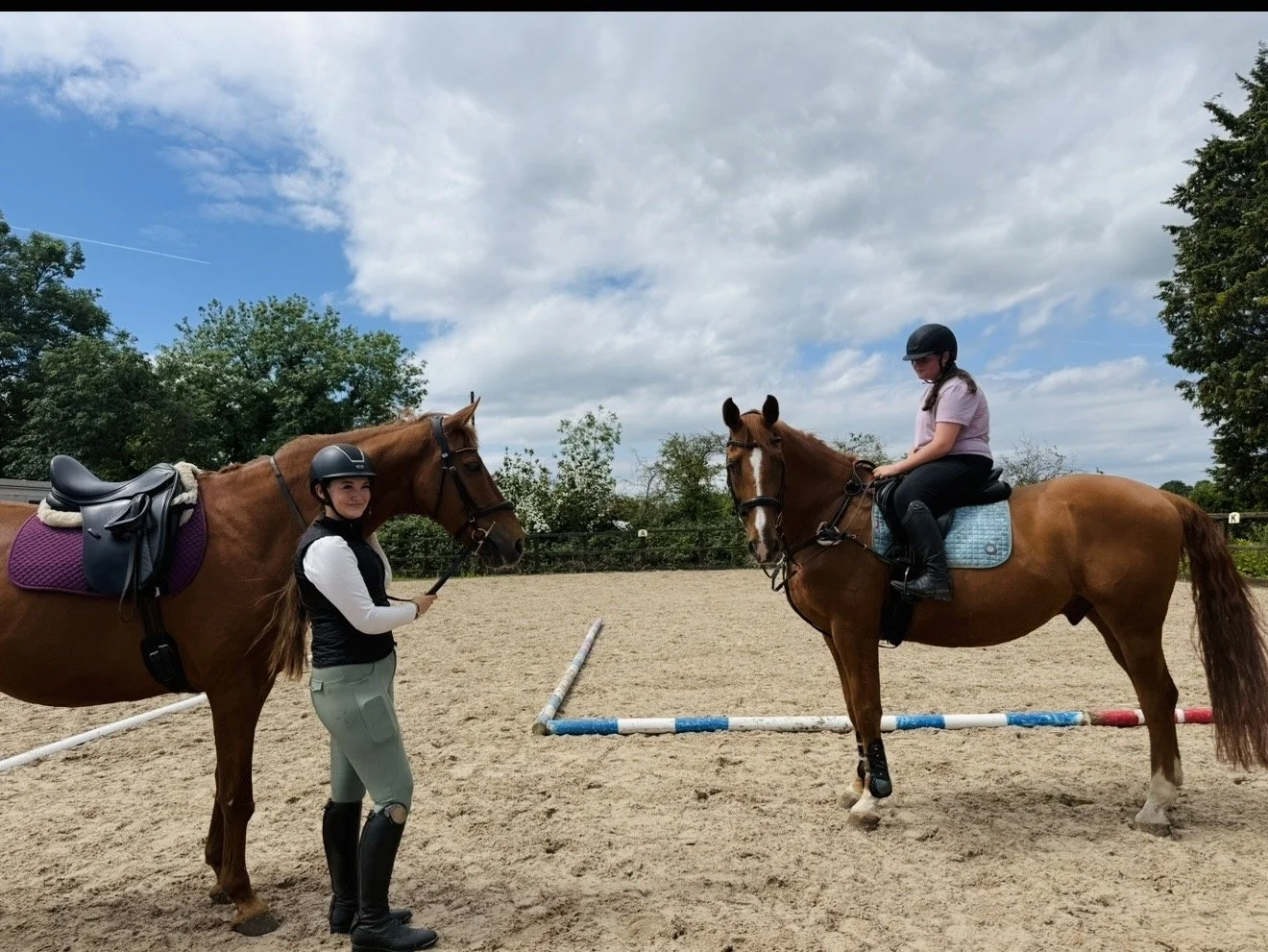
Post-16 At a Glance
Who We Support
Specialist Education Built Around the Individual
The Orchard supports young people aged 16-25 who benefit from a calm, structured and practical alternative to a large or traditional college environment.
We primarily support verbal neurodivergent learners and young people who may have:
Autism
ADHD
Mild or moderate learning difficulties
Social, Emotional and Mental Health needs
Anxiety or barriers to accessing education
Sensory differences
Difficulties with confidence, relationships or emotional regulation
A history of trauma or disrupted education
Low attendance or previous disengagement from learning
A strong preference for practical, visual or outdoor education
Learners do not need to be interested in an equine career. Our growing vocational offer creates opportunities across Horse Care, Animal Care, Land-Based Studies, Horticulture, Business and Administration.
Reconnecting with Education
We welcome enquiries concerning young people who are not currently in education, employment or training. A structured vocational programme can provide a meaningful route back into learning while developing confidence, routine, independence and future direction.
Children in Care and Care Leavers
The Orchard welcomes referrals for children in care and care experienced young people, including care leavers up to the age of 25.
Places may be considered where suitable funding and support arrangements are agreed through the Local Authority, Virtual School, Leaving Care service, Children’s Social Care or another authorised organisation.
Our consistent, relationship led environment may be particularly valuable for learners who have experienced disrupted education, changes of placement or difficulties developing trust in educational settings.
Education, Health and Care Plans
Learners may have an Education, Health and Care Plan. Where applicable, personalised learning and progress reviews can be aligned with identified EHCP outcomes and Preparing for Adulthood priorities.

Staffing and Additional Support
Our usual staffing ratio is up to one member of staff for every Six learners.
Where assessment identifies a need for dedicated support, additional 1:1 staffing may be available where it is appropriately funded and agreed as part of the commissioned placement.
Every Enquiry Is Considered Individually
We consider each learner’s:
Strengths, interests and aspirations
Previous educational experiences and achievements
Communication and sensory profile
Emotional-regulation and support needs
Health, mobility and safety
Level of supervision required
Vocational readiness and intended outcomes
EHCP provision and funding arrangements, where applicable
Learners must be able to communicate their essential needs through spoken language, respond to immediate safety instructions and participate safely within an active equine, animal-care, workshop or outdoor environment.
The Orchard provides specialist education and pastoral support rather than clinical treatment, personal care or constant line-of-sight supervision. A place is offered only where we are confident that we can meet the learner’s needs safely, appropriately and meaningfully.
We begin with the learner, their strengths, their starting point and the future they want to build.
Your Study Programme at The Orchard
More Than a Qualification
Every learner follows a personalised study programme designed around their starting point, vocational interests, support needs, intended outcomes and future aspirations.
A learner’s programme may include:
A Post-16 programme at The Orchard develops the whole learner: their vocational competence, personal growth, independence and readiness for the future.
Our Post-16 Vocational Pathways
Different Interests. Transferable Skills. Positive Destinations.
The Orchard’s vocational programmes provide structured routes into recognised qualifications, further education, training, volunteering and employment.
Learners are not expected to follow the same pathway or begin at the same level. Entry is determined individually according to previous achievements, practical experience, readiness, support needs and future aspirations.
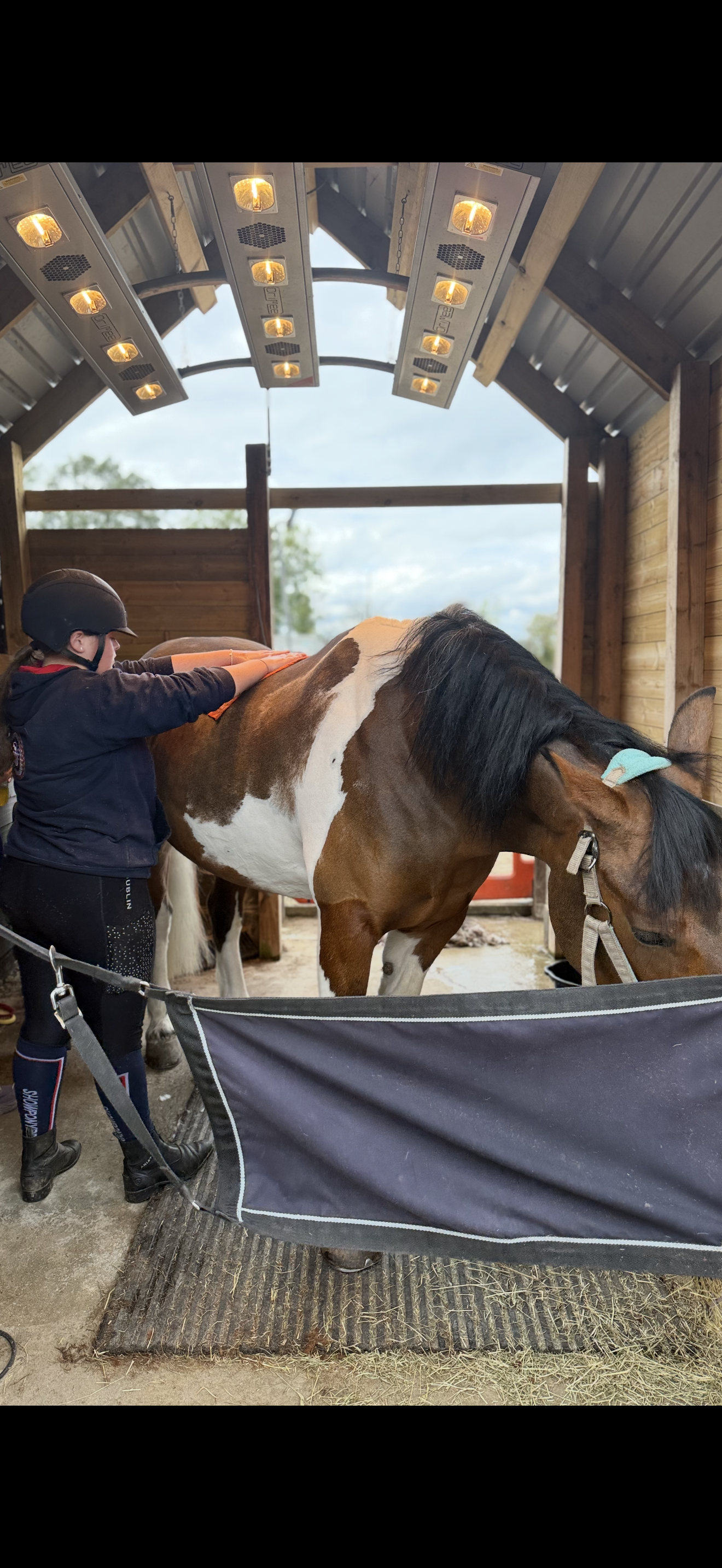

Employability and Work Experience
Preparing for the World of Work
Employment preparation is embedded throughout every post-16 programme at The Orchard.
Learners develop the skills, attitudes and professional behaviours employers value through vocational learning, realistic responsibilities and carefully planned work-related experiences.
Workplace Skills in Practice
Through their everyday programme, learners are supported to develop:
Attendance and punctuality
Reliability and responsibility
Professional communication
Teamwork and positive working relationships
Following instructions and working safely
Initiative and problem-solving
Completing tasks to an appropriate standard
Managing time and organising work
Responding positively to feedback
Respect for colleagues, customers, animals and the environment
Understanding workplace expectations and boundaries
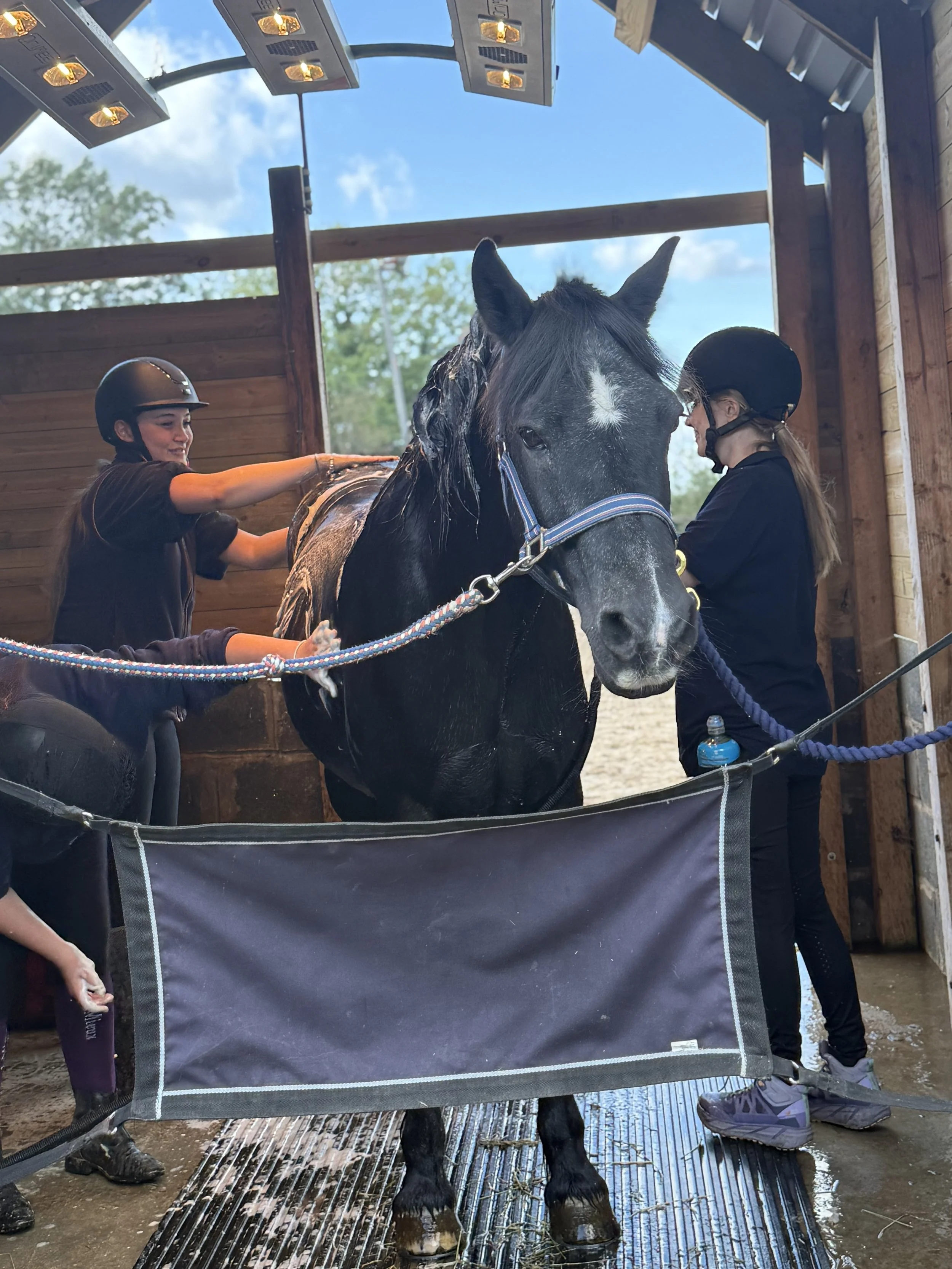

Real Responsibility at The Orchard
The Orchard provides a working environment in which learners can practise professional behaviours through meaningful responsibilities.
Depending on their pathway, this may include caring for animals, completing yard routines, maintaining outdoor spaces, supporting events, contributing to projects, communicating with visitors or undertaking supervised administrative tasks.
These experiences help learners understand how their skills transfer beyond the subject they are studying.
Qualifications demonstrate what a learner has achieved. Employability skills help them take that achievement into the future.
Work Experience and Employer Engagement
When a learner is ready, their programme may include:
Workplace visits
Employer talks and demonstrations
Careers and industry projects
Volunteering opportunities
Supported work tasters
Internal work-related responsibilities
External work-experience placements
Opportunities are selected according to the learner’s interests, readiness, support needs and intended destination. External placements are subject to availability, suitability, appropriate risk assessment and employer agreement.
Preparing for the Next Opportunity
Learners may also be supported to:
Explore different job roles and employment sectors
Recognise their strengths and transferable skills
Create a CV or personal profile
Complete applications
Prepare for interviews
Communicate with employers
Understand workplace rights and responsibilities
Set realistic and aspirational employment goals
Success will look different for every learner. For some, the next step may be volunteering or a supported internship. For others, it may be an apprenticeship, paid employment, further education or greater independence.
Preparation for Adulthood
Building the Skills to Live, Work and Participate
Preparing for adulthood is an essential part of every post-16 programme at The Orchard.
Alongside vocational qualifications, learners develop the confidence, independence and practical skills needed to make choices, manage responsibilities and participate more fully in adult life.
Learning is personalised around the four key Preparing for Adulthood areas.
Education, Training and Employment
Learners are supported to:
Explore future education and career options
Understand their strengths, interests and aspirations
Develop employability and workplace behaviours
Experience vocational and work-related learning
Prepare for further education, training, volunteering or employment
Make informed decisions about their next steps
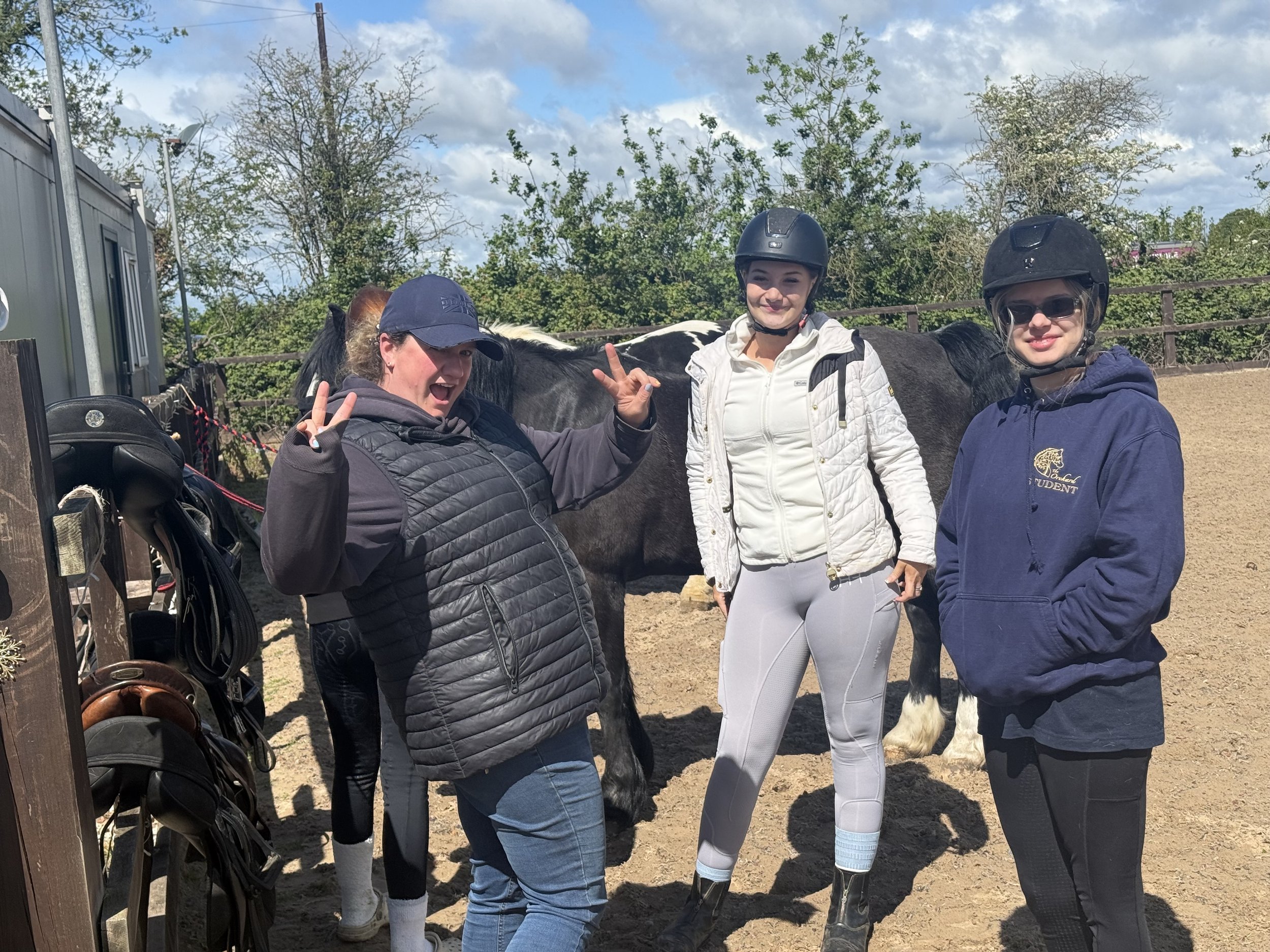
Independent Living
Depending on individual needs and outcomes, learners may develop skills in:
Personal organisation
Managing time and routines
Making choices and expressing preferences
Understanding money and everyday costs
Planning and completing tasks
Travel awareness
Using digital tools in everyday life
Taking responsibility for personal belongings and equipment
Asking for help and recognising when support is needed
Personalised Outcomes
Where a learner has an Education, Health and Care Plan, their programme and reviews can be aligned with relevant EHCP outcomes and Preparing for Adulthood priorities.
Progress is recognised from each learner’s individual starting point. Increased independence may mean completing a workplace task alone, communicating a need, managing a routine or making a confident decision about the future.
Preparing for adulthood is not one lesson or one destination. It is woven through the learner’s entire Orchard journey.
Friends, Relationships and Community
Learners have opportunities to develop:
Communication and self-advocacy
Positive and respectful relationships
Teamwork and cooperation
Understanding personal and professional boundaries
Confidence participating in groups
Awareness of community opportunities
Skills for volunteering and community participation
A sense of belonging and connection
Good Health and Wellbeing
Learners are supported to develop greater awareness of:
Physical and emotional wellbeing
Emotional awareness and regulation
Mindfulness and calming strategies
Healthy routines
Personal safety and risk
Safe working practices
Recognising and communicating their needs
Making informed choices
Accessing appropriate support when needed
The Orchard provides educational and pastoral support rather than clinical treatment or healthcare. Wellbeing activities are used to support engagement, self-awareness and readiness to learn.
The Orchard Learning Framework, Growth Passport and associated programme materials have been developed by The Orchard. Programme content, assessment resources and teaching materials may not be reproduced without permission.
Assessment, Achievement and Progress
Recognising Qualifications and Wider Growth
Assessment at The Orchard is purposeful, supportive and matched to the requirements of each learner’s programme.
We recognise both vocational achievement and the wider development that helps learners move towards employment, independence and adult life.
Vocational Assessment
Learners work towards the assessment requirements of their chosen City & Guilds qualification.
Depending on the programme, evidence may include:
Tutor and assessor observations
Practical demonstrations
Professional discussions
Written or digital assignments
Portfolios of evidence
Workplace records
Photographs and witness statements
Tests or externally assessed components
Learners are supported to understand what is expected, develop their skills through practice and demonstrate competence when they are ready.
All accredited assessment is completed in accordance with the requirements and quality-assurance standards of the relevant awarding organisation.
The Orchard Learning Framework
Wider development is recognised through The Orchard Learning Framework:
Roots - Building Strong Foundations
Trunk - Growing Confidence and Responsibility
Branches - Exploring New Opportunities
Fruit - Celebrating Every Achievement
The framework recognises that progress is personal. A learner may use a skill confidently in one area while still requiring support in another.
The Orchard Growth Passport provides a structured record of development beyond the qualification itself.
It may capture progress in areas such as:
Confidence and communication
Emotional awareness and regulation
Mindfulness and wellbeing
Independence and responsibility
Practical competence
Teamwork and problem-solving
Employability and professional behaviour
English, mathematics and digital skills
Preparation for adulthood
Future planning
The Growth Passport records how the learner develops, not simply the activities they complete.
Individual Targets and Reviews
Learners work towards individual targets informed by their starting point, programme, support needs and future aspirations.
Progress is reviewed regularly and, where appropriate, shared with:
The learner
Parents or carers
Local Authorities or funding organisations
EHCP professionals
Other involved education or support services
Where a learner has an EHCP, reviews can include relevant education outcomes and Preparing for Adulthood priorities.
Celebrating Meaningful Achievement
Achievement may include gaining a qualification, completing a practical task independently, communicating more confidently, sustaining attendance, undertaking work experience or taking a successful next step.
Every learner is measured from their own starting point. Every meaningful step forward matters.
Progression and Positive Destinations
Building a Future Beyond the Qualification
Every post-16 programme at The Orchard is designed with a future destination in mind.
Learners are supported to understand their strengths, recognise the skills they have developed and make informed decisions about their next step.
Progressing Through Qualification Levels
Where appropriate, learners may progress from Level 1 to Level 2 and then to Level 3 within their chosen vocational area.
Progression is not automatic or always linear. The next level must be appropriate to the learner’s:
Achievements and practical competence
English and mathematics skills
Independence and professional behaviours
Attendance and engagement
Support needs
Interests and aspirations
Intended education or employment destination
Some learners may enter at a higher level where their previous qualifications, experience and readiness demonstrate that this is appropriate.
Continuing at The Orchard
Where the right programme is available, continuing at The Orchard may provide a familiar and supportive route into a higher-level qualification or a different vocational pathway.
This is one progression option rather than the expected destination for every learner.
Moving Beyond The Orchard
Other positive destinations may include:
Further education at another college or specialist provider
A higher-level vocational qualification
An apprenticeship
A supported internship
Additional training
Volunteering
Supported employment
Paid employment
Self-employment or enterprise
Community participation
Greater independence in adult life
The skills developed through an equine, animal-care or horticultural pathway can be transferred into many different sectors. Learners are not limited to employment directly connected with the subject they studied.
Planning a Successful Transition
As learners approach the end of their programme, they are supported to:
Explore realistic and aspirational next steps
Research education, training and employment options
Identify the support they may need
Prepare applications and personal information
Visit or communicate with prospective settings
Share relevant progress and support information, with appropriate consent
Build confidence for change
Develop a clear transition plan
Where appropriate, transition planning involves families, Local Authorities, EHCP professionals, employers and other relevant services.
A destination cannot be guaranteed, but every learner is supported to leave The Orchard with recognised achievements, greater self-understanding and a purposeful plan for the future.
The goal is not simply to complete a course. It is to be ready for what comes next.
Admissions and Funding
Registering Interest in a Post-16 Place
Learners, families and professionals are welcome to register their interest in The Orchard’s post-16 provision.
Registering interest begins a conversation. It does not guarantee admission or confirm that funding has been agreed.
Who Can Register Interest?
An initial enquiry may be made by:
A young person
A parent or carer
A school or current education provider
A Local Authority
An EHCP or SEND professional
A social worker, personal adviser or Leaving Care service
A Virtual School
Another authorised education or support professional
The Admissions Process
1. Register Interest
Initial information is provided about the learner, their current circumstances, preferred vocational pathway and intended outcomes.
2. Information Gathering
With appropriate consent, we request relevant information such as the learner’s EHCP, education history, qualifications, support needs, risk information and professional reports.
3. Assessment and Introduction
Where the enquiry appears potentially suitable, the learner may be invited to visit The Orchard and take part in an assessment or supported introduction.
This helps us understand their interests, communication, practical readiness, support needs and ability to access the environment safely.
4. Programme and Support Proposal
If we believe The Orchard can meet the learner’s needs, we identify a suitable vocational pathway, qualification level, study programme and support arrangements.
5. Funding and Place Confirmation
A place is confirmed only when the required funding or commissioning arrangements have been formally agreed and The Orchard has confirmed programme availability.
Funding Arrangements
Funding will depend on the learner’s circumstances and the nature of their programme.
Where a learner has an Education, Health and Care Plan, placement funding will normally require discussion and agreement with the responsible Local Authority.
Funding for care experienced young people, care leavers or learners who are not in education, employment or training may involve the Local Authority, SEND service, Virtual School, Leaving Care service, Children’s Social Care or another authorised organisation.
Families and professionals should contact The Orchard to discuss the appropriate route. We cannot guarantee that a particular organisation will approve funding.
Admission Is Individual
Offers are subject to:
Age and programme eligibility
Assessment and suitability
The learner’s support and safety needs
Qualification entry requirements
Compatibility with the learning environment
Agreed staffing arrangements
Funding or commissioning approval
The goal is not simply to complete a course. It is to be ready for what comes next.
Suitability and Support
Is The Orchard the Right Environment?
The Orchard provides specialist education within active equine, animal-care, horticultural and practical working environments.
Every enquiry is considered individually to ensure that the proposed programme can be safe, appropriate and genuinely beneficial for the learner.
What We Consider
Our assessment considers the learner’s:
Strengths, interests and vocational aspirations
Previous education and qualifications
Communication and understanding
Emotional-regulation and sensory needs
Behaviour and potential risks
Health, mobility and medical needs
Practical readiness
Required level of supervision
Ability to participate safely
Intended outcomes and future destination
Accessing the Environment Safely
Learners must be able to:
Communicate their essential needs through spoken language
Understand and respond to immediate safety instructions
Participate safely around animals, tools, equipment and outdoor spaces
Work alongside other learners and staff without presenting an ongoing risk
Develop their tolerance of an active practical environment
Treat animals, people and the environment with appropriate care and respect
Learners do not need previous vocational experience. Confidence and practical competence can develop gradually through structured introductions, predictable routines and appropriate support.
Riding is optional and is not required to access a non-ridden Horse Care pathway.
Additional Support
Support arrangements are identified through assessment and agreed before the programme begins.
Where a learner requires additional 1:1 staffing, this may be considered where it is appropriate, available and separately funded as part of the agreed placement.
The Orchard does not provide:
Personal care
Routine medication administration
Clinical treatment or mental-health therapy
Specialist Makaton, BSL or AAC provision
Constant line-of-sight supervision
Statutory social-care support
Reasonable educational and pastoral support is provided within the scope of the learner’s agreed programme.
An Individual Decision
A place is offered only where we are confident that:
The learner can access the environment safely
The proposed qualification and programme are appropriate
Required support can be provided
Funding and staffing arrangements are agreed
The placement can offer meaningful education and progression
The right placement should meet the learner’s needs, protect the wellbeing of the wider Orchard community and safeguard the welfare of our animals.
Register Your Interest for September 2027
Take the First Step Towards Post-16 Education at The Orchard
We welcome enquiries from young people, families, schools, Local Authorities, SEND professionals, social-care teams and other authorised organisations.
You can register interest in:
Horse Care at Levels 1, 2 or 3
Animal Care at Levels 1, 2 or 3
Level 3 Animal Care with a specialist Dog Grooming route
Practical Horticulture Skills at Levels 1 or 2
Future vocational opportunities as The Orchard’s offer expands
Registering interest allows us to begin understanding the learner’s strengths, needs, preferred pathway and future aspirations.
It does not guarantee admission or confirm funding. All places are subject to assessment, suitability, qualification requirements, agreed support and funding arrangements, programme approval and available capacity.
Not Sure Which Pathway Is Right?
You do not need to decide before contacting us. We can discuss the learner’s interests, previous achievements and intended outcomes before identifying a potentially suitable route.