
Alternative Education at The Orchard
A different environment. A meaningful education. A pathway forward.
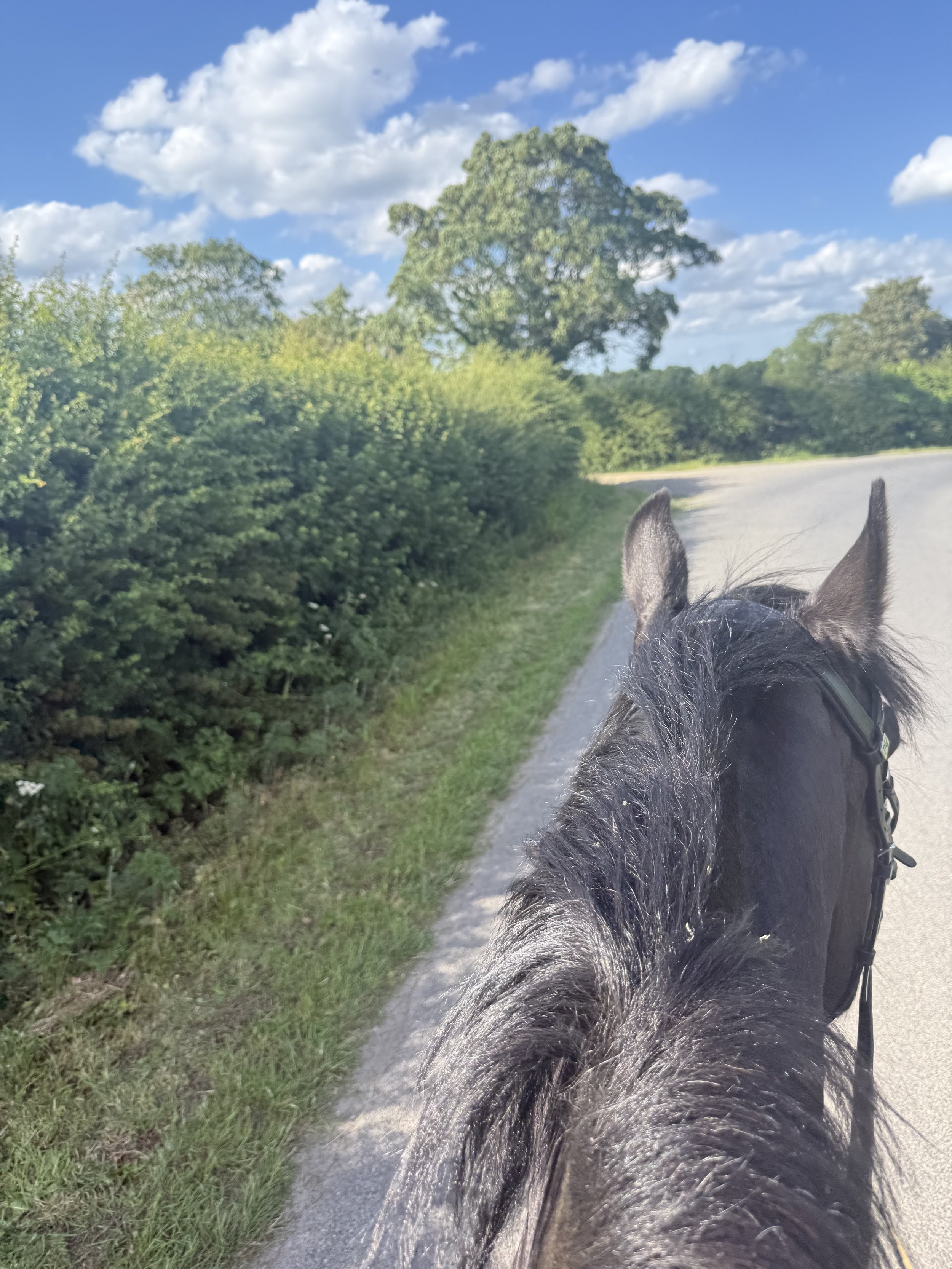
The Orchard provides commissioned Alternative Provision for learners aged 8–16 who may find traditional education difficult to access.
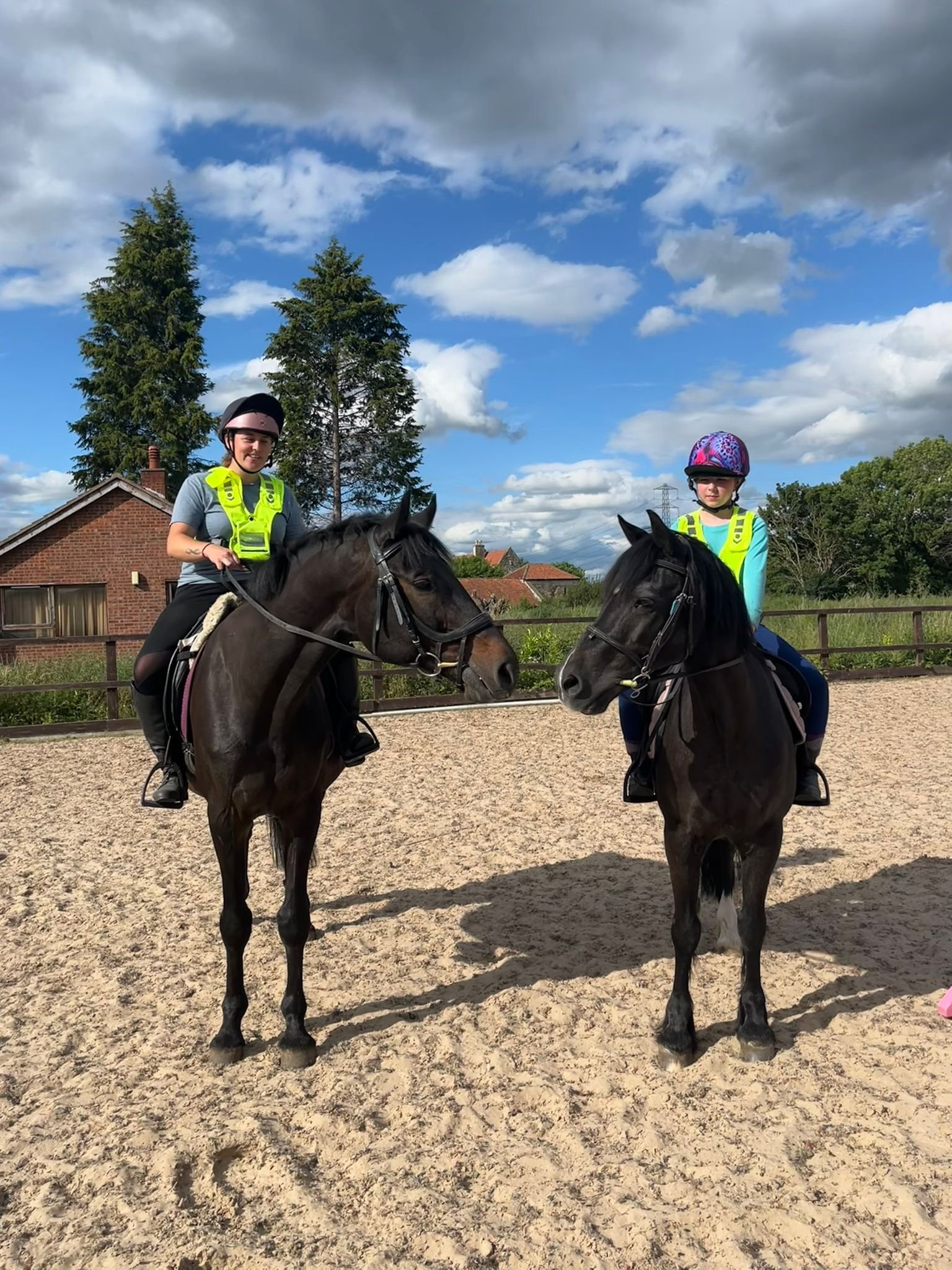
Through horses, animals, horticulture, land and nature, we create a calm, structured environment where learners can rebuild trust, reconnect with education and develop the confidence and skills needed for their next step.
Our provision combines personal development, practical learning, English, mathematics, science, digital skills, employability and preparation for adulthood. Every activity has an educational purpose, and every learner’s progress is recognised and evidenced.
Placements available throughout the academic year
Alternative Provision at a Glance
Who We Support
The Orchard provides Alternative Provision for learners aged 8-16 who benefit from a calm, structured and practical approach to education.
Our provision may be suitable for neurodivergent learners and young people who experience:
Autism or ADHD
Mild or moderate learning difficulties
Social, Emotional and Mental Health needs
Anxiety or emotionally based barriers to attendance
Low attendance or disengagement from education
Sensory differences
Difficulties with confidence, relationships or emotional regulation
Trauma or disruption to their education
A preference for practical, visual and outdoor learning
We also welcome referrals for children in care and learners receiving support from Early Help or Children’s Social Care. Our consistent, relationship-led environment may be particularly valuable for learners who have experienced placement changes, disrupted education or difficulties building trust with education.
Staffing and Additional Support
Our usual staffing ratio is up to one member of staff for every Four learners.
Where assessment identifies a need for dedicated support, additional 1:1 staffing may be available where it is appropriately funded and agreed as part of the commissioned placement.
Accessing the Environment Safely
Learners must be able to:
Communicate their essential needs through spoken language
Understand and respond to immediate safety instructions
Participate safely around horses, animals, tools and outdoor environments
Engage within the staffing arrangements agreed for their placement
Riding is optional. Learners can participate fully in equine learning through ground-based horse care, stable routines and practical activities.
Every Referral Is Individual
We consider the learner’s:
Strengths, interests and aspirations
Educational and personal-development needs
Communication abilities
Sensory profile
Emotional-regulation needs
Behaviour and safety
Health and mobility
Supervision requirements
EHCP outcomes, where applicable
Intended placement outcomes
The Orchard provides specialist education rather than clinical treatment, specialist communication provision or statutory social care.
A placement is offered only where we are satisfied that we can meet the learner’s needs safely, appropriately and meaningfully.
Our Alternative Provision Programmes
Three Pathways. One Purposeful Curriculum.
The Orchard’s Alternative Provision is delivered through three structured, non-accredited Foundation Programmes:
Reins & Roots - Learning through horses
Nurture & Nature - Learning through animals and nature
Ground & Growth - Learning through horticulture, land and the environment
Each pathway provides a different practical context for learning while following the same Orchard Learning Framework.
Learners develop personal, practical and transferable skills from their own starting point. English, Mathematics, Science, Digital skills, Employability and preparation for adulthood are embedded naturally within meaningful activities and real responsibilities.
Programmes are personalised around each learner’s strengths, needs, interests, aspirations and intended placement outcomes.
Practical experiences create engagement. Purposeful learning develops skills. Individual progress opens future opportunities.
-
![]()
Reins & Roots
Learning through horses
Reins & Roots combines personal development with purposeful equine learning. Through horse care, stable routines and meaningful responsibility, learners develop confidence, communication, emotional regulation, independence and practical skills.
Learning may include:
Horse care, health and welfare
Grooming and stable routines
Safe handling and working practices
Communication and positive relationships
Responsibility and professional behaviour
Practical English, mathematics and science
Digital evidence and portfolio development
Employability and preparation for the future
-
![]()
Nurture & Nature
Learning through animals and nature
Nurture & Nature uses animal care and the natural environment to support emotional development, practical learning and positive engagement.
Learning may include:
Animal care, welfare and husbandry
Safe handling and daily routines
Animal health, behaviour and nutrition
Empathy, communication and relationships
Confidence, independence and responsibility
Practical English, mathematics and science
Digital research and progress recording
Employability and preparation for adulthood
-
![]()
Ground & Growth
Learning through horticulture, land and nature
Ground & Growth combines personal development with purposeful horticultural and land-based learning.
Learning may include:
Horticulture and gardening
Growing fruit, vegetables and other plants
Grounds maintenance
Conservation and habitat management
Environmental awareness and sustainability
Safe use of tools and equipment
Practical English, mathematics and science
Digital planning, research and evidence
Teamwork, problem-solving and employability
All three Foundation Programmes are available now through commissioned Alternative Provision placements.
More Than Outdoor Activities
Purposeful Learning Through Real Experience
The Orchard’s Foundation Programmes are structured educational programmes. Horses, animals, horticulture and nature provide the context but every practical experience has a clear learning purpose.
Whether a learner is caring for a horse, preparing animal feed, growing vegetables or maintaining an outdoor space, the activity is used to develop knowledge, confidence, practical competence and transferable skills.
Personal Development
Learners develop:
Confidence and self-belief
Emotional awareness and regulation
Resilience
Communication and positive relationships
Trust, empathy and teamwork
English, Mathematics, Science and Digital Skills
Essential learning is embedded naturally through activities such as:
Reading instructions and recording information
Measuring feed, materials and growing areas
Exploring animal health, plant growth and the environment
Researching information and creating digital evidence
Discussing, reflecting on and presenting learning
Practical Skills and Responsibility
Learners build:
Safe working practices
Practical competence
Independence
Responsibility and reliability
Problem-solving and decision-making
Respect for animals, people and the environment
Life Skills and Employability
Learners develop skills that can support them in:
Education and training
Volunteering
Employment
Community participation
Independent living
Adult life
Learners are supported to understand what they are learning, why it matters and how their skills can be used beyond The Orchard.
Progress is planned, assessed and evidenced throughout each placement.
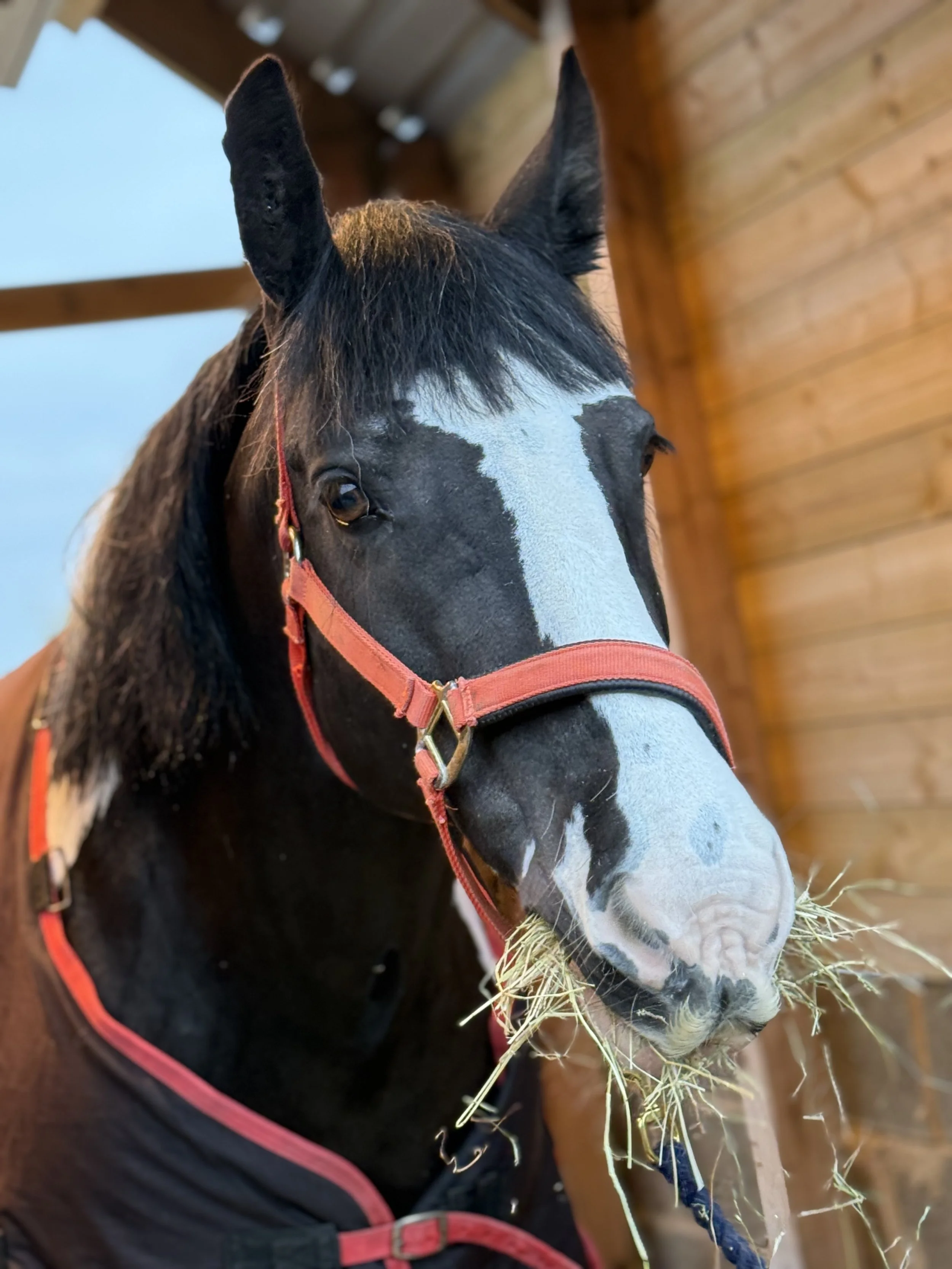
“Horses and nature provide the experience. Skills create the opportunities. Growth opens the future.”
The Orchard Learning Framework
Growing Confidence. Growing Skills. Growing Futures.
The Orchard Learning Framework Growing Confidence. Growing Skills. Growing Futures.
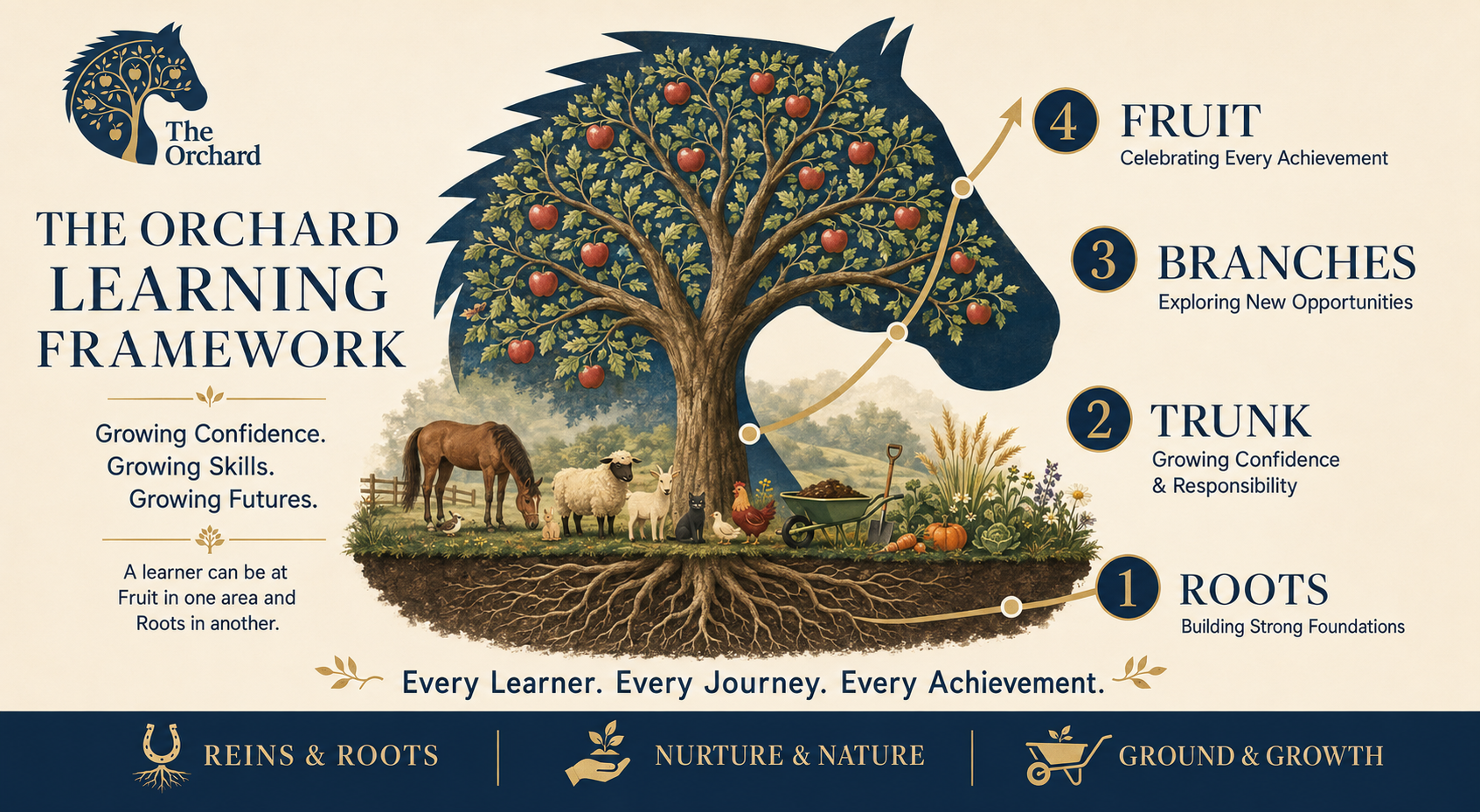
Every Orchard programme is underpinned by a shared Learning Framework that recognises progress from each learner’s individual starting point.
The framework is not a fixed ladder or a race towards Fruit. A learner may be at Fruit in one area while beginning at Roots in another. Progress happens at different times and in different ways.
Roots - Building Strong Foundations
Learners begin by feeling safe, developing trust and building positive relationships with staff, peers, animals and the learning environment.
This stage supports:
Confidence and belonging
Communication
Emotional awareness
Trust and positive relationships
Safe participation in practical learning
4. Fruit - Taking Achievement Forward
Fruit represents learners using their skills confidently, consistently and in different situations.
Achievement may include:
Improved engagement and wellbeing
Personal growth and greater independence
Practical competence
Progression into further learning or an accredited qualification
Volunteering, employment or community participation
Increased readiness for adulthood
2. Trunk - Growing Confidence and Responsibility
Through predictable routines, meaningful activities and consistent support, learners develop knowledge, practical skills and greater responsibility.
This stage supports:
Emotional regulation and resilience
Practical knowledge and competence
Communication and teamwork
Responsibility
Growing independence
3.Branches - Exploring New Opportunities
As confidence and competence develop, learners take on new challenges and begin applying their skills with greater independence.
This stage supports:
Problem-solving and decision-making
Transferable and employability skills
Initiative and leadership
New interests and aspirations
Exploration of education, volunteering and vocational pathways
Progress across Roots, Trunk, Branches and Fruit is recorded through The Orchard Growth Passport, supported by learner reflections, tutor observations, practical activities and portfolio evidence.
It records how the learner grows, not simply what they do.
Every learner. Every journey. Every achievement.
How Alternative Provision Placements Work
Every placement at The Orchard begins with the individual learner.
We work with the learner, family or carers, commissioning organisation and involved professionals to understand their strengths, needs, interests, starting point and intended outcomes.
1. Assessment and Suitability
Before offering a placement, we consider:
Educational and personal-development needs
Communication and sensory profile
Emotional-regulation needs
Health, behaviour and safety
Supervision and staffing requirements
EHCP outcomes, where applicable
The purpose of the placement
The most appropriate Orchard pathway
A placement is offered only where we are satisfied that The Orchard can meet the learner’s needs safely, appropriately and meaningfully.
2. A Personalised Programme
The learner may access:
Reins & Roots
Nurture & Nature
Ground & Growth
A planned combination of pathways
Placements may provide a focused short-term intervention, personalised longer-term support, re-engagement with education or preparation for reintegration and future progression.
Attendance, activities, support and intended outcomes are agreed individually with the commissioning organisation.
3. A Planned Transition
Where appropriate, learners are invited to visit The Orchard and take part in a Meet & Discover session before starting.
A planned transition may include:
Meeting key members of staff
Exploring the learning environment
Introducing routines and expectations gradually
Identifying communication and sensory needs
Agreeing initial goals
Building safe and trusted relationships
4. Staffing and Support
Learners are supported within small groups and consistent staffing arrangements.
Where assessment identifies a need for dedicated support, additional 1:1 staffing may be available where appropriately funded and agreed as part of the commissioned placement.
5. Review and Progression
Placements are reviewed regularly with the learner, family or carers, commissioning organisation and involved professionals.
Reviews consider:
Attendance and engagement
Personal development
Practical learning
Communication and emotional wellbeing
Independence and responsibility
EHCP outcomes, where applicable
Readiness for the learner’s next step
Placement length, attendance and support may be adjusted collaboratively as the learner’s needs and progress develop.
Every placement has a purpose, a plan and a clear focus on progress.
Assessment, Evidence and Progress
Recognising Growth from Each Learner’s Starting Point
Assessment at The Orchard is continuous, supportive and personalised.
Learners are not compared with one another. Progress is recognised from each individual’s starting point, acknowledging that development happens at different times and in different areas.
Our programmes use a structured assessment and evidence model developed by The Orchard. This brings together practical learning, personal development, learner reflection and professional observation to provide a meaningful picture of progress.
The Orchard Growth Passport
The Orchard Growth Passport provides a personalised record of development across areas such as:
Confidence and self-belief
Communication and relationships
Emotional awareness and regulation
Mindfulness and wellbeing
Resilience
Independence and responsibility
Practical skills
Problem-solving and teamwork
Employability
Preparation for adulthood
Future planning
Progress is represented through The Orchard Learning Framework:
Roots → Trunk → Branches → Fruit
A learner may demonstrate confidence in one area while still requiring support in another. The purpose is to recognise meaningful individual growth rather than expecting every learner to progress in the same way or at the same speed.
Meaningful Evidence
Progress may be supported by:
Practical activities
Tutor observations
Learner reflection
Photographs
Portfolio work
Discussions
Personal targets and reviews
Feedback from families and professionals
Where appropriate, evidence can contribute towards EHCP and Preparing for Adulthood outcomes.
Regular progress information is shared with the learner, family or carers and commissioning organisation.
We record how the learner grows, not simply what they do.
Suitability and Safety
The Right Placement in the Right Environment
The Orchard provides practical education within active equine, animal care and outdoor environments. Every referral is considered individually to ensure that the placement can be safe, appropriate and genuinely beneficial for the learner.
Before offering a placement, we consider the learner’s:
Strengths, interests and intended outcomes
Communication and understanding
Emotional-regulation and sensory needs
Behaviour and potential risks
Health, mobility and medical needs
Ability to follow essential safety instructions
Required level of supervision and support
Compatibility with animals, practical activities and the wider learning environment
Learners must be able to communicate their essential needs through spoken language and respond to immediate safety instructions. They must also be able to participate without presenting an ongoing risk to themselves, other learners, staff or animals.
Riding is optional and is not required to access Reins & Roots. Activities are selected according to each learner’s needs, confidence, interests and assessed suitability.
Where additional support is required, commissioned 1:1 staffing may be considered following assessment and agreement with the commissioning organisation.
The Orchard provides specialist education and personal development support. We do not provide clinical treatment, personal care, specialist communication provision or constant line of sight supervision.
A placement will only be offered where we are confident that we can meet the learner’s needs safely, appropriately and meaningfully.
Every decision is guided by the wellbeing of the learner, the safety of the wider Orchard community and the welfare of our animals.
Progression and Future Pathways
Building Readiness for Each Learner’s Next Step
Every Alternative Provision placement is designed with progression in mind. Learners develop the confidence, practical skills, independence and positive learning behaviours needed for their next appropriate step.
Positive Destinations
Depending on the learner’s age, needs, achievements and aspirations, progression may include:
Reintegration into school
Further education or vocational learning
College or specialist post-16 provision
Training or a supported internship
Volunteering and community participation
Preparation for employment
Greater independence and readiness for adult life
Continuing at The Orchard
For some learners, continuing their journey at The Orchard may be the most suitable next step.
Learners who demonstrate the necessary interest and readiness may progress from a Foundation Programme into:
Ages 14–16: Level 1 Vocational Pathway
An opportunity to work towards an accredited qualification within a supportive, practical learning environment.
Post-16 Vocational Programmes
The Orchard offers Horse Care qualifications at Levels 1, 2 and 3. Riding is optional and is not required to study Horse Care; programmes focus primarily on horse care, welfare, practical competence and vocational skills.
From September 2027, The Orchard plans to expand its post-16 vocational offer to include:
Animal Care at Levels 1, 2 and 3, including Dog grooming
Land-Based and Horticulture programmes
Business and Administration programmes
New programmes will be subject to final approval, demand, suitability and availability.
Progression within The Orchard is not automatic. Each learner’s next step is considered according to their achievements, interests, readiness, support needs and intended outcomes, alongside programme entry requirements.
Whether learners continue at The Orchard or take their skills into another setting, we help them prepare for a meaningful and positive next step.
Growing Confidence. Growing Skills. Growing Futures.
Commissioning and Referrals
Discuss an Alternative Provision Placement
All Alternative Provision placements at The Orchard must be commissioned by an authorised organisation. We welcome enquiries from:
Schools and academies
Local Authorities
Virtual Schools
SEND services
Early Help services
Children’s Social Care
Other authorised education or care commissioning teams
Placements are available throughout the academic year, subject to assessment, suitability and capacity.
The Referral Process
1. Initial Enquiry
The commissioning organisation contacts The Orchard to discuss the learner’s needs, current circumstances and intended outcomes.
2. Referral Information
Relevant information is shared to help us understand the learner’s strengths, interests, education, communication, health, support needs and any identified risks.
3. Assessment and Introduction
Where appropriate, we arrange an initial assessment and supported introduction to The Orchard. This helps us consider suitability and identify the programme, activities and support that may be most appropriate.
4. Placement Proposal
If The Orchard can meet the learner’s needs safely and meaningfully, we provide a personalised placement proposal for the commissioning organisation to consider.
5. Agreed Start and Ongoing Review
Following commissioning approval, we agree the start date, attendance arrangements, intended outcomes and review process. Progress is assessed, evidenced and reported throughout the placement.
Submitting a referral does not guarantee that a placement will be offered. Every decision considers the learner’s needs, the safety of the Orchard community, animal welfare and our available capacity.
Help a Learner Take Their Next Step
If you are a parent, carer or professional considering The Orchard, please speak with the learner’s school, Local Authority or relevant support service about commissioning a placement.
Professionals and authorised commissioning teams are welcome to contact us directly for an initial discussion.